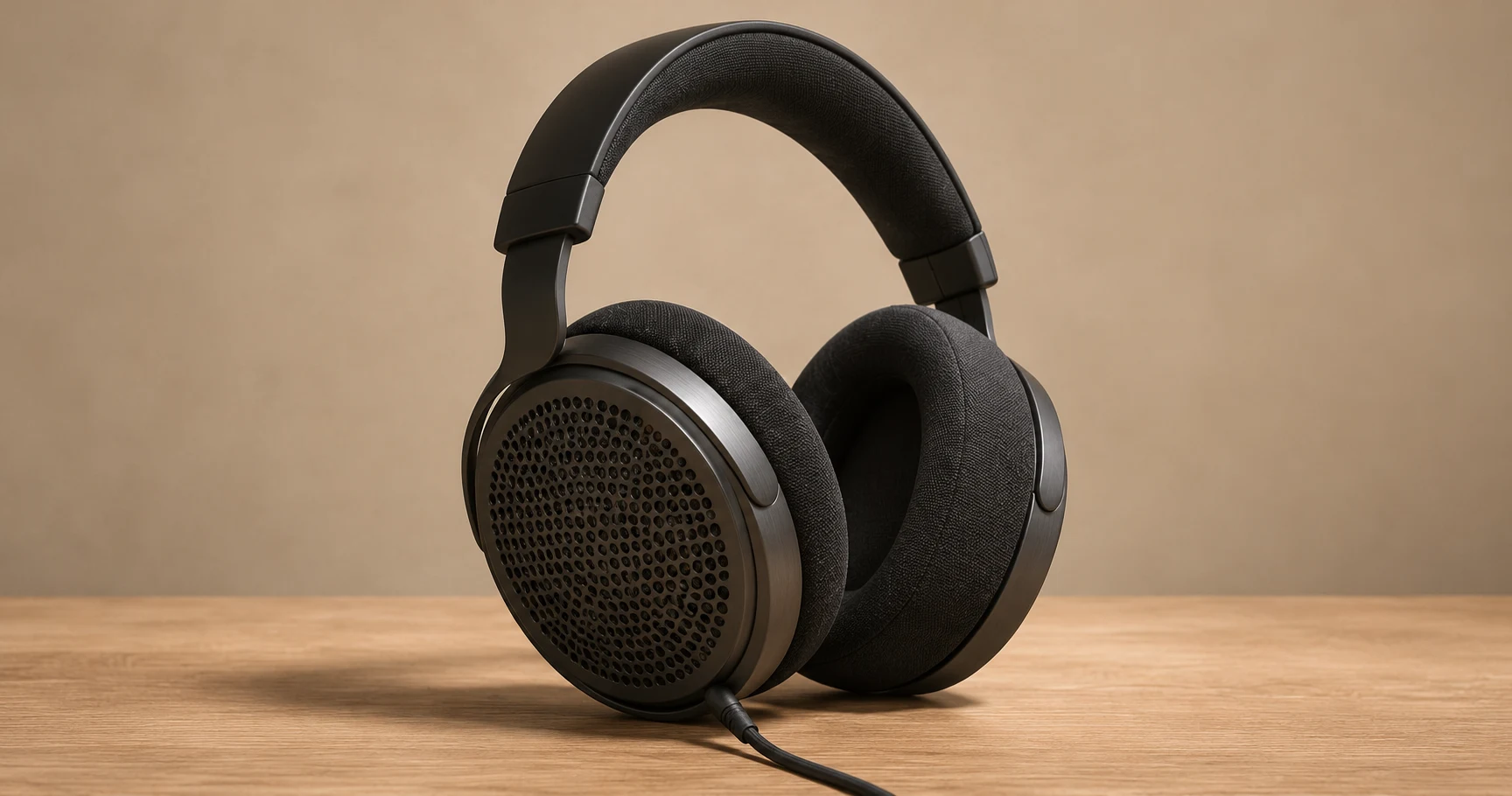
Decide where you will listen before you decide which design sounds more appealing. An open-back pair that suits a quiet room can be the wrong pair for an office or a train.
This is a buying guide based on documented specifications and technical sources.
Listen at home
An open-back design vents the rear of the ear cup. It usually lets in more room sound and lets the people around you hear more of your music. It can be comfortable for long sessions in a quiet room, but cup design alone does not tell you whether the sound or fit will suit you.
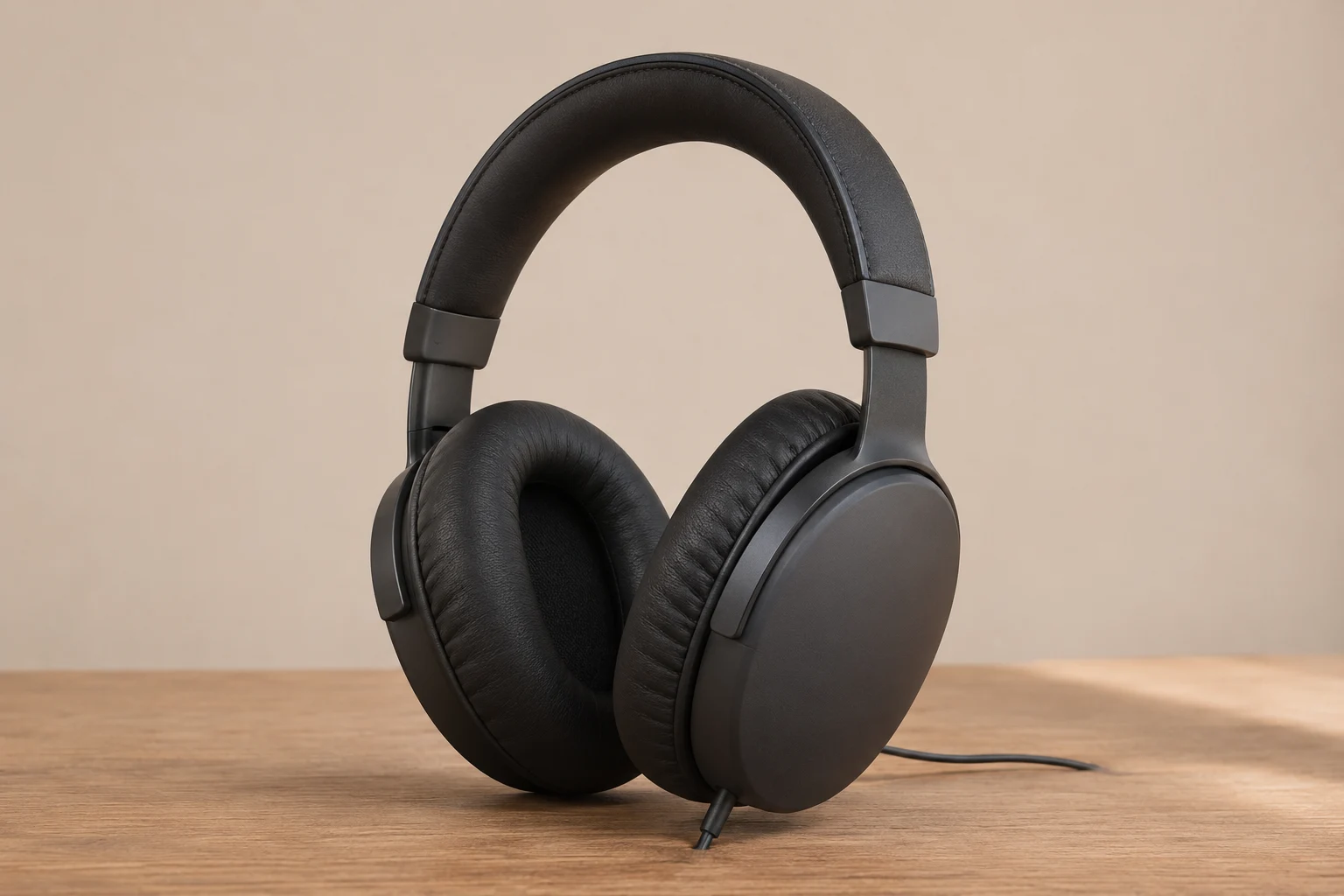
Listen near other people
Closed-back headphones tend to limit leakage and provide more passive isolation. If you wear glasses, check how the frames affect the pad seal and comfort. Active noise cancellation is a separate feature; a closed cup does not tell you whether the headphones have it or how well it works.
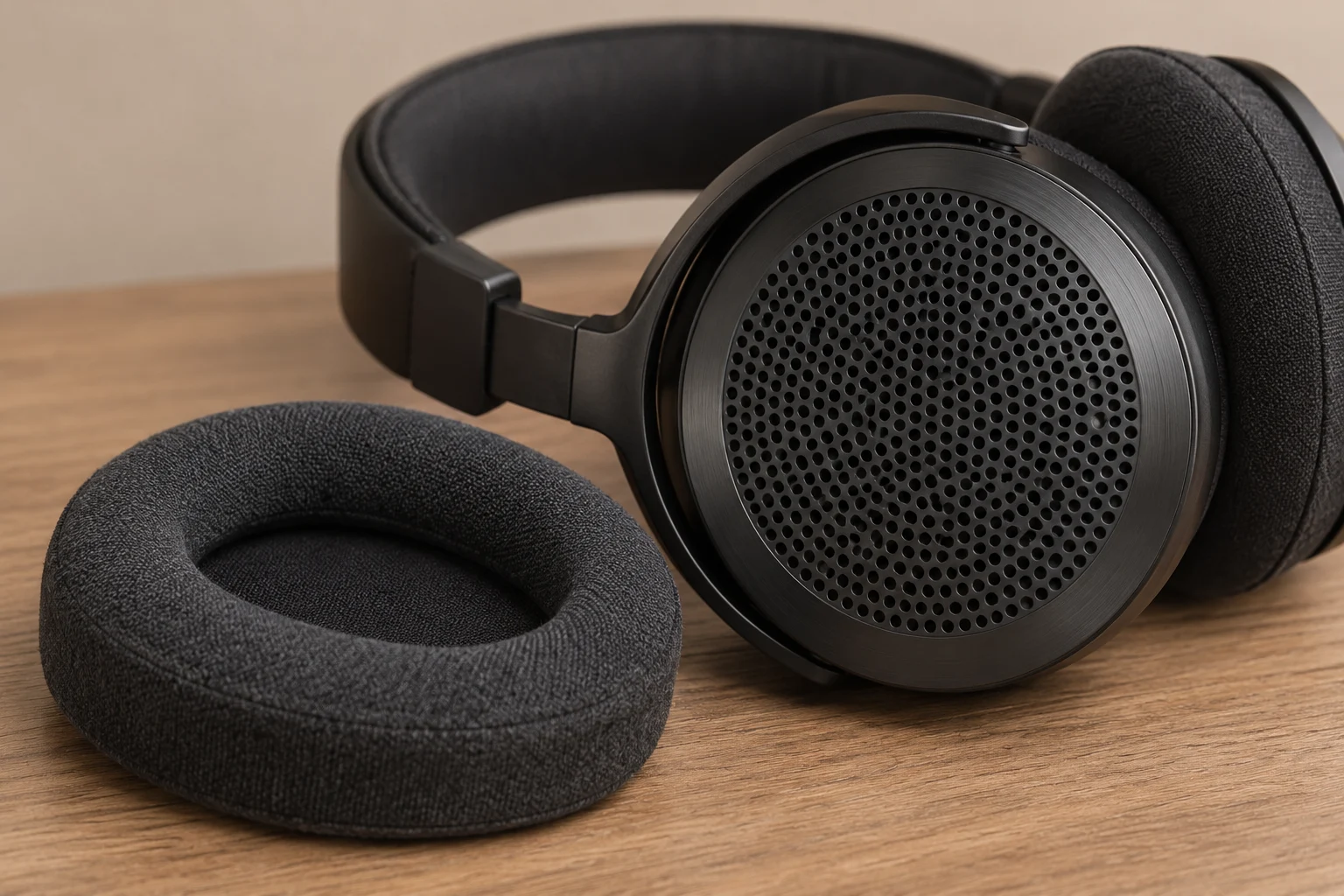
Judge one model at a time
Compare weight, headband adjustment, pad depth and cable options. If you can try a pair, use familiar music at a comfortable level and listen long enough to notice pressure points. Check the return policy before you rely on a brief in-store audition.
Pros
Open-back designs are a useful option for quiet, private listening. Closed-back designs work in more places when leakage and isolation matter.
Trade-offs
Open-back headphones let more sound through in both directions. Closed-back fit and isolation vary with the pads, the headband and the listener.
Who it suits
Home listeners comparing designs, and anyone trying to choose one pair to use around other people.
Conclusion
Choose for the room first. Once you know how much isolation you need, compare fit, serviceable pads and the sound of individual models.